Why a leadership mindset can make or break your cybersecurity.
Cybersecurity is often discussed at the technical level — passwords, patches, monitoring. But the most dangerous vulnerabilities? They often start in the boardroom.
Because at the CEO level, the way you think about security shapes whether your business survives a digital incident.
Here are the most common blind spots leaders face — and how to avoid them.
1. “We’re Not a Target” Thinking
We’re too small.
We don’t hold sensitive data.
This is the most expensive myth in cybersecurity.
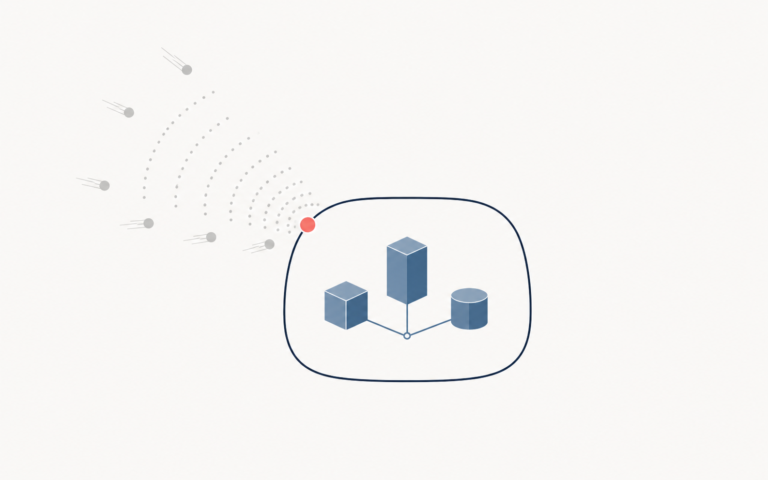
Most attacks aren’t targeted — they’re automated. Bots don’t care who you are; they care what’s exposed. If you have an email login, a website, or a cloud account, you’re a potential victim.
Better mindset
Assume you’re on the internet → Assume someone will eventually try to break in → Act accordingly.
2. Treating Security as an IT Problem
When security lives only in the IT budget, leadership treats it as a technical checkbox — not a business safeguard.
The reality
- Downtime kills sales
- Leaks destroy trust
- Incidents invite lawsuits and regulators
Better mindset
Cybersecurity is a business continuity issue. It belongs on the CEO’s desk, not buried in IT’s ticket queue.
3. No Clear Accountability
If everyone’s responsible, no one is.
Without a named owner for security — whether internal or external — tasks slip. Old accounts stay active. Vulnerabilities go unpatched. Monitoring gets ignored.
Better mindset
Assign ownership. Give that person authority, a budget, and a clear reporting line to leadership.
4. Only Acting After an Incident
Waiting for a breach before investing in security is like waiting for a fire before buying smoke detectors.
The cost curve
- Before: small, predictable
- After: large, unpredictable, reputation-damaging
Better mindset
Prevention isn’t a cost. It’s insurance against existential risk.
5. Underestimating Human Factors
Many CEOs focus on tech solutions while ignoring the people who use them. But:
- Phishing still works
- Credentials get shared
- Public file links stay live for years
Better mindset
Invest in habits, not just hardware. A culture of security reduces human-error incidents more than any single tool.
6. Blind Trust in Vendors and SaaS
Vendor says they’re secure — we’re covered.
Except vendor security ≠ your configuration. A single mis-set permission can expose thousands of records.
Better mindset
Trust but verify. Review access, configurations, and integrations regularly.
7. Confusing “Quiet” With “Safe”
No alerts ≠ no problems.
It might just mean no one is looking in the right place.
Better mindset
Regular checks, scans, and leak monitoring are as routine as financial reviews.
Final Thought
Cybersecurity leadership isn’t about knowing how to configure firewalls.
It’s about asking the right questions, setting the right priorities, and refusing to let security become “someone else’s job.”
Because at the CEO level, the most significant risks aren’t always in the code. They’re in the assumptions.