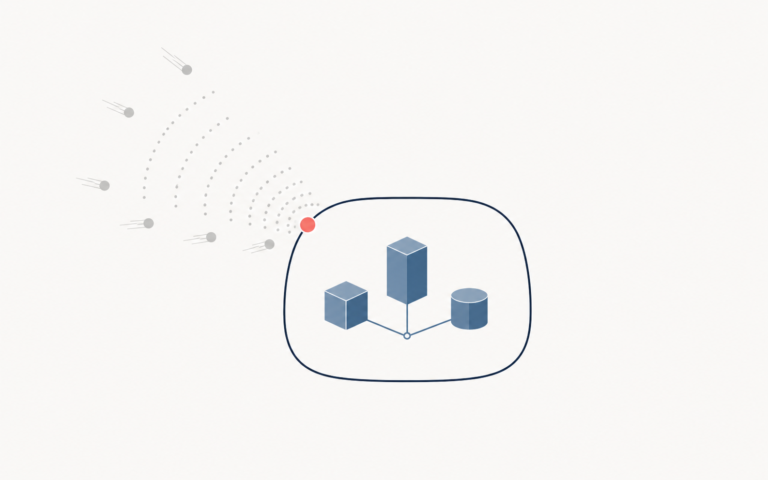
Why skipping small fixes today leads to significant risks tomorrow.
In business, everyone understands financial debt. You borrow now, pay later — with interest. Security debt works the same way. Every time you skip an update, postpone an audit, or leave an old account active, you’re borrowing against your company’s future safety. And just like financial debt, the interest compounds.
What Security Debt Looks Like in Real Life
- Old accounts still active → “We’ll disable them later.”
- Unpatched systems → “We’ll update after this sprint.”
- Shadow IT → “The team needed it fast, so we skipped approval.”
- Public file links → “We’ll clean them up after the project ends.”
Each of these seems small in the moment. But together, they pile up into blind spots — and attackers love blind spots.
Why It’s Dangerous
Security debt doesn’t stay hidden forever. It shows up when:
- A forgotten subdomain gets hijacked
- An old admin account is used to log in quietly
- An outdated plugin becomes an attacker’s open door
- A regulator asks for compliance records you can’t produce
What you didn’t pay attention to becomes what you pay for.
The Business Impact
- Financial cost: Recovery and fines are always higher than prevention.
- Operational cost: Teams freeze while fixing old problems.
- Trust cost: Customers and partners see chaos, not confidence.
- Focus cost: Instead of building, you’re cleaning up.
Security debt doesn’t just grow — it steals attention from the future.
How to Reduce Security Debt
You don’t need to clear it all at once. Start small:
- Make a list — Identify old accounts, tools, and systems that linger.
- Prioritize by risk — Focus on what’s public or critical first.
- Build habits — Regular asset scans, password rotations, and permission reviews.
- Automate checks — Use tools to spot exposed assets or leaks early.
- Treat it like financial debt — Track it, plan for it, and chip away consistently.
Final Thought
Security debt is invisible until it’s not. And by then, the cost is always higher. You don’t need to eliminate every risk overnight. But you do need to stop letting small gaps pile up into a mountain. Because in cybersecurity — just like finance — it’s not the debt. It’s the interest.