Many companies breathe a sigh of relief after passing an audit.
“Great — we’re compliant. We’re safe.”
But here’s the truth: compliance is not the same as security.
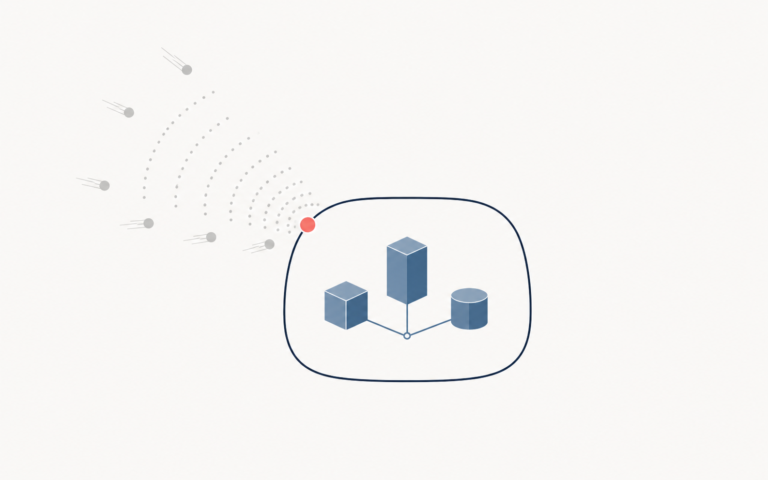
An audit proves you met a minimum standard at a point in time. Security means you’re continuously reducing real risks — every day.
Why Compliance Isn’t Enough
1. Audits are snapshots, not movies
An audit checks how things looked on the day of review.
Attackers don’t wait for your next audit cycle — they move when they find a weakness.
2. Checklists don’t cover every risk
Compliance frameworks (ISO, SOC 2, GDPR, etc.) focus on documented controls. But not all real-world attack paths are on those lists.
Example: You might pass your audit while still leaving an old subdomain exposed or employees reusing passwords.
3. Compliance can create false confidence
Teams often slow down after the certificate arrives:
- “We passed, so we must be secure.”
- “We’ll fix that later — the auditor didn’t mention it.”
This mindset opens the door for avoidable incidents.
Where Security Goes Further
Continuous monitoring
Real security requires ongoing checks — not once a year, but every week and every day.
Closing real attack doors
Security looks at what attackers actually exploit: weak passwords, exposed assets, phishing, and forgotten accounts.
Actionable visibility
Security is about knowing your risk in plain language and fixing what matters first — not just collecting paperwork for an auditor.
Compliance + Security: A Better Approach
The two are not enemies — in fact, they work best together:
- Compliance gives structure, trust, and proof for regulators and clients.
- Security gives real-world protection, resilience, and peace of mind.
Together, they create both confidence on paper and safety in practice.
Final Word
Passing an audit is like passing a driving test — it proves you know the rules.
But staying safe on the road requires daily attention, not just the certificate.
Don’t stop at compliance.
Build continuous security into the way your business operates.