It’s late at night. You sign up for a new tool and, to save time, reuse your favorite password. After all, it’s easy to remember — and you’ve used it for years.
Here’s the problem: one leak is all it takes.
The domino effect of password reuse
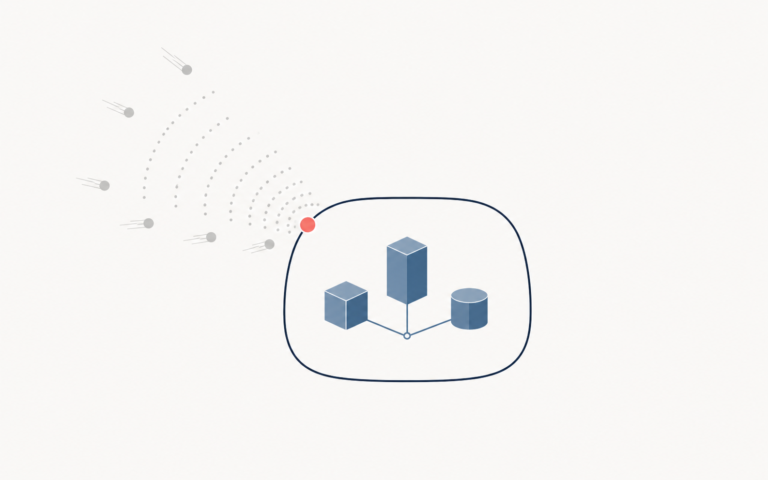
- A small, little-known website gets breached.
- Your email and password from that site end up for sale on the dark web.
- Attackers try the same combo on Gmail, Office 365, Dropbox, Slack, and even your bank.
- Because you reused the password, they get in — everywhere.
What started with a forgotten account turns into:
- Stolen emails and documents.
- Compromised financial accounts.
- Access to internal business systems.
- And in many cases… company-wide compromise.
Real-world story
One employee reused their personal password at work. When a gaming forum leaked its database, attackers used the same credentials to log into the company’s cloud storage. The result: confidential files stolen, client trust broken, and legal consequences that cost far more than any security training would have.
How to break the chain
- 🔑 Use unique passwords for every account.
- 🧩 Rely on a password manager — it remembers them for you.
- 🔒 Enable multi-factor authentication (MFA). Even if a password leaks, attackers can’t log in without the second factor.
- 🕵️ Monitor for credential leaks. Services exist that alert you when your email appears in a breach.
Final thought
Password reuse feels convenient — until it isn’t.
Remember: one leak = dozens of breaches.
Protect your accounts, and you protect your business.