Every company has subdomains — portal.yourcompany.com, promo.yourcompany.com, dev.yourcompany.com. They appear quickly. A marketing campaign, a new test environment, a temporary landing page. Then the project ends. The budget moves on. The person who set it up leaves. And yet — the subdomain remains.
That’s where the real risk begins.
How subdomains appear — and why they’re forgotten
Subdomains grow naturally with business activity:
- Developers spin up new servers for testing.
- Admins create quick portals or monitoring panels.
- Marketing teams launch campaign sites and never delete them.
- External contractors set up integrations — and forget to clean up.
The result?
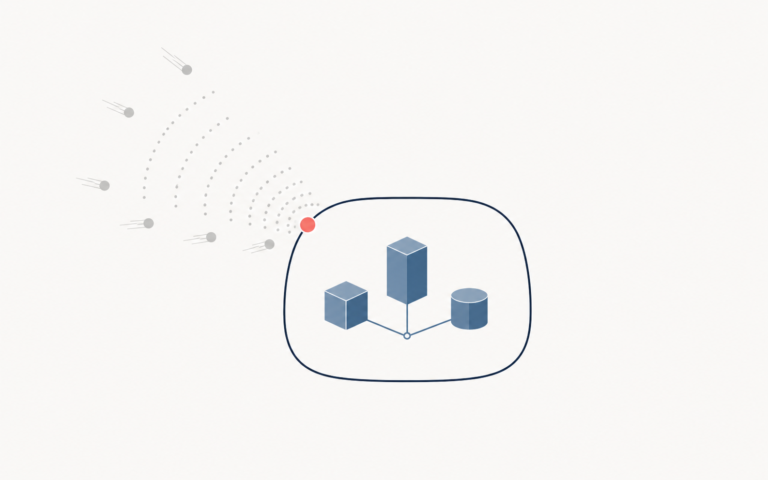
A shadow layer of infrastructure that the company no longer controls, but which still exists online.
The hidden risks of forgotten subdomains
1. Subdomain takeover
When a subdomain still has a DNS record but no active hosting, attackers can redirect traffic to their own site.
➡️ Example: The marketing campaign promo.company.com expired, but DNS remained. A hacker registered the same hosting provider and uploaded a fake login page — under your brand’s name.
2. Outdated and unpatched sites
Old WordPress installations, forgotten staging servers, or demo APIs often stay online without updates.
➡️ Attackers use these to gain a foothold into your network or steal data directly.
3. Public exposure of sensitive data
Test environments and misconfigured admin panels can leak credentials, email templates, or internal files.
➡️ What was meant for “internal testing” becomes public in search results.
4. Brand and SEO damage
Search engines may still index these forgotten sites.
➡️ If they’re hijacked or defaced, clients won’t know the difference — they’ll just see your name on a hacked page.
5. Mapping your infrastructure
Even harmless subdomains give away too much: server types, software versions, and internal naming conventions.
➡️ For attackers, this is a free blueprint of your network.
Why this matters for business
- A single forgotten subdomain can undermine years of brand reputation.
- It can expose client data or create compliance violations.
- And because it’s tied to your company’s domain, it directly affects trust — the currency every business depends on.
How to take control again
1. Discover
Run automated scans to identify subdomains associated with your domain. Even small companies are often surprised to find dozens — many completely unknown.
2. Review
Categorize what’s active, what’s outdated, and what’s suspicious.
Document who owns each one — marketing, IT, a contractor?
3. Secure or remove
- Disable what’s not needed.
- Enforce HTTPS and patch what remains.
- Set up monitoring for DNS changes and SSL expirations.
Final thought
Forgotten subdomains are like unlocked doors in an empty building.
They don’t make noise. They don’t crash systems.
But they quietly widen your attack surface every day.
Managing them isn’t about perfection — it’s about visibility.
Because you can’t protect what you don’t even know exists.